
The Content Hub
Want access to FREE amazing content from Ryan?
Lighting for Profits is your #1 source for all things landscape lighting. Whether you are looking to learn about lighting design, lighting installation, or just need helpful tips on how to start or grow your landscape lighting business, you are in the right place.
With over 14 years of experience in the landscape lighting industry, Ryan Lee reveals the secrets behind his success growing and exiting a multi million dollar landscape lighting company. Click one of the links below to check out the Lighting For Profits podcast, and discover how to go from overworked business operator, to 7 figure owner.


Build Your 2027 Business Today: Stop Waiting, Start Acting
Build Your 2027 Business Today: Stop Waiting, Start Acting
We're already in November, which means there's only a couple of months left before 2027. It's the perfect time to pause, reflect, and ask yourself an important question:
Are you where you thought you'd be at this point in the year?
Are you making the money you wanted to make? Do you have the team you planned to build? Are you working the hours you intended? Most importantly, are you actually enjoying the business you've created?
Or are you telling yourself the same thing you said last year: Next year is going to be different.
It's easy to get excited about setting new goals and imagining what your business could become. But there's one important truth every entrepreneur needs to understand:
Your goals don't determine your future. Your actions do.
If you want 2027 to be different, the decisions you make today need to be different.
Stop Waiting for the Calendar to Change
Every year, business owners set ambitious goals. Some want to build a million-dollar lighting business. Others want to increase profitability, hire more employees, or create more freedom in their schedules.
There's nothing wrong with thinking big. The problem starts when those goals aren't supported by consistent action.
You can't expect to build a million-dollar business if you're unwilling to invest in marketing, track your financial numbers, improve your sales process, or raise your prices when necessary.
These are the activities that help build a stronger business.
January 1st won't magically transform your operations, sales, or leadership. A new calendar year doesn't automatically create a new business.
You become a different business owner when you start making different decisions.
Instead of waiting for the perfect time to change, start developing the habits and systems your future business will require.
Start Acting Like the Business Owner You Want to Become
Think about the business you want to have by the end of 2027.
The owner of that business may operate very differently from the person you are today.
They may make more strategic financial decisions, invest more confidently in marketing, manage their time more effectively, and take calculated risks that support long-term growth.
The important thing is that they didn't wait until they became successful to start acting differently.
They developed the habits, standards, and decisions that helped them get there.
One of Ryan Lee's favorite principles is:
Price like who you want to be, not like who you are today.
But this philosophy extends beyond pricing.
Hire like who you want to be.
Market like who you want to be.
Lead like who you want to be.
Manage your time like who you want to be.
Don't spend all your energy maintaining the business you currently have. Start building the business you actually want.
Three Questions to Help You Prepare for 2027
Before the year ends, take 30 minutes to evaluate your current business and identify what needs to change.
Get specific. Write down your answers and be honest with yourself.
1. What Do You Want Your Business to Look Like at the End of 2027?
Don't just say you want more growth. Define what growth actually means to you.
Consider these areas:
Revenue: How much annual revenue do you want to generate?
Profit: What profit margin or annual profit are you targeting?
Team: How many employees or team members do you need?
Leadership: What responsibilities do you want to delegate?
Schedule: How many hours do you want to work each week?
Lifestyle: What kind of freedom do you want your business to provide?
The clearer your vision, the easier it becomes to identify the decisions needed to achieve it.
2. What's Preventing You From Having That Business Today?
This is where honest self-evaluation matters.
Are you struggling with cash flow? Are you afraid to increase your prices? Do you lack the systems needed to manage growth? Are you spending too much time working in the business instead of working on it?
Sometimes, the biggest obstacle isn't the market or the economy. It may be your own habits, decisions, or unwillingness to make necessary changes.
Identify the real barriers instead of making excuses for why things haven't changed.
3. What's ONE Thing You Can Start Doing Differently Right Now?
Don't wait until January 1st. Don't wait until the holiday lighting rush is over or until business slows down.
Choose one meaningful action you can take immediately.
For example:
Raise your prices on your next proposal.
Start tracking your sales closing rate.
Contact five potential referral partners.
Review your marketing budget and performance.
Block out two hours every week to work on your business instead of in it.
You don't need to change everything overnight. What matters is taking action and building consistency.
Build Your Business Instead of Just Maintaining It
One of the biggest challenges business owners face is getting caught up in daily operations.
You're handling customer inquiries, managing projects, preparing proposals, coordinating employees, and solving problems. Before you know it, another week has passed without spending meaningful time planning the future of your business.
Working in your business keeps things running. Working on your business helps you improve how it operates.
If you want to grow, you need to make time for strategic activities such as:
Reviewing financial performance and key business metrics.
Improving your sales process and closing rate.
Investing in marketing and customer acquisition.
Developing your team and leadership capabilities.
Building systems that reduce your dependence on daily involvement.
These activities may not produce immediate results, but they help establish the foundation for sustainable growth.
Your 2027 Business Starts With Your 2026 Decisions
You still have time to make this year count.
You don't need to wait for a new year, a better economy, or the perfect opportunity to begin making changes.
The business you want in 2027 is being shaped by the decisions you're making in 2026.
If you want higher revenue, start improving your sales and marketing. If you want better profitability, evaluate your pricing and expenses. If you want more freedom, start building the systems and team that can support it.
Stop treating your future goals as something you'll work on someday.
Start acting on them today.
Final Thoughts
Setting ambitious goals is important, but goals without action remain ideas.
The difference between the business you have today and the business you want tomorrow comes down to the decisions you make consistently.
Take the time to define your vision, identify what's holding you back, and choose one action that moves you closer to your goals.
You don't have to wait until January 1st to become a better business owner.
It's time to get intentional. It's time to take action. Your future self is counting on you.
Keep Moving Forward!
— Ryan Lee
# 2027 business goals, business growth, entrepreneur mindset, business planning, business strategy, leadership development, landscape lighting business, business success, pricing strategy, marketing strategy, business owner mindset, business development, goal setting, scaling a business, Ryan Lee #
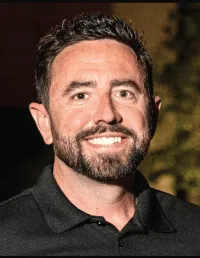
Build Your 2027 Business Today: Stop Waiting, Start Acting
Build Your 2027 Business Today: Stop Waiting, Start Acting
We're already in November, which means there's only a couple of months left before 2027. It's the perfect time to pause, reflect, and ask yourself an important question:
Are you where you thought you'd be at this point in the year?
Are you making the money you wanted to make? Do you have the team you planned to build? Are you working the hours you intended? Most importantly, are you actually enjoying the business you've created?
Or are you telling yourself the same thing you said last year: Next year is going to be different.
It's easy to get excited about setting new goals and imagining what your business could become. But there's one important truth every entrepreneur needs to understand:
Your goals don't determine your future. Your actions do.
If you want 2027 to be different, the decisions you make today need to be different.
Stop Waiting for the Calendar to Change
Every year, business owners set ambitious goals. Some want to build a million-dollar lighting business. Others want to increase profitability, hire more employees, or create more freedom in their schedules.
There's nothing wrong with thinking big. The problem starts when those goals aren't supported by consistent action.
You can't expect to build a million-dollar business if you're unwilling to invest in marketing, track your financial numbers, improve your sales process, or raise your prices when necessary.
These are the activities that help build a stronger business.
January 1st won't magically transform your operations, sales, or leadership. A new calendar year doesn't automatically create a new business.
You become a different business owner when you start making different decisions.
Instead of waiting for the perfect time to change, start developing the habits and systems your future business will require.
Start Acting Like the Business Owner You Want to Become
Think about the business you want to have by the end of 2027.
The owner of that business may operate very differently from the person you are today.
They may make more strategic financial decisions, invest more confidently in marketing, manage their time more effectively, and take calculated risks that support long-term growth.
The important thing is that they didn't wait until they became successful to start acting differently.
They developed the habits, standards, and decisions that helped them get there.
One of Ryan Lee's favorite principles is:
Price like who you want to be, not like who you are today.
But this philosophy extends beyond pricing.
Hire like who you want to be.
Market like who you want to be.
Lead like who you want to be.
Manage your time like who you want to be.
Don't spend all your energy maintaining the business you currently have. Start building the business you actually want.
Three Questions to Help You Prepare for 2027
Before the year ends, take 30 minutes to evaluate your current business and identify what needs to change.
Get specific. Write down your answers and be honest with yourself.
1. What Do You Want Your Business to Look Like at the End of 2027?
Don't just say you want more growth. Define what growth actually means to you.
Consider these areas:
Revenue: How much annual revenue do you want to generate?
Profit: What profit margin or annual profit are you targeting?
Team: How many employees or team members do you need?
Leadership: What responsibilities do you want to delegate?
Schedule: How many hours do you want to work each week?
Lifestyle: What kind of freedom do you want your business to provide?
The clearer your vision, the easier it becomes to identify the decisions needed to achieve it.
2. What's Preventing You From Having That Business Today?
This is where honest self-evaluation matters.
Are you struggling with cash flow? Are you afraid to increase your prices? Do you lack the systems needed to manage growth? Are you spending too much time working in the business instead of working on it?
Sometimes, the biggest obstacle isn't the market or the economy. It may be your own habits, decisions, or unwillingness to make necessary changes.
Identify the real barriers instead of making excuses for why things haven't changed.
3. What's ONE Thing You Can Start Doing Differently Right Now?
Don't wait until January 1st. Don't wait until the holiday lighting rush is over or until business slows down.
Choose one meaningful action you can take immediately.
For example:
Raise your prices on your next proposal.
Start tracking your sales closing rate.
Contact five potential referral partners.
Review your marketing budget and performance.
Block out two hours every week to work on your business instead of in it.
You don't need to change everything overnight. What matters is taking action and building consistency.
Build Your Business Instead of Just Maintaining It
One of the biggest challenges business owners face is getting caught up in daily operations.
You're handling customer inquiries, managing projects, preparing proposals, coordinating employees, and solving problems. Before you know it, another week has passed without spending meaningful time planning the future of your business.
Working in your business keeps things running. Working on your business helps you improve how it operates.
If you want to grow, you need to make time for strategic activities such as:
Reviewing financial performance and key business metrics.
Improving your sales process and closing rate.
Investing in marketing and customer acquisition.
Developing your team and leadership capabilities.
Building systems that reduce your dependence on daily involvement.
These activities may not produce immediate results, but they help establish the foundation for sustainable growth.
Your 2027 Business Starts With Your 2026 Decisions
You still have time to make this year count.
You don't need to wait for a new year, a better economy, or the perfect opportunity to begin making changes.
The business you want in 2027 is being shaped by the decisions you're making in 2026.
If you want higher revenue, start improving your sales and marketing. If you want better profitability, evaluate your pricing and expenses. If you want more freedom, start building the systems and team that can support it.
Stop treating your future goals as something you'll work on someday.
Start acting on them today.
Final Thoughts
Setting ambitious goals is important, but goals without action remain ideas.
The difference between the business you have today and the business you want tomorrow comes down to the decisions you make consistently.
Take the time to define your vision, identify what's holding you back, and choose one action that moves you closer to your goals.
You don't have to wait until January 1st to become a better business owner.
It's time to get intentional. It's time to take action. Your future self is counting on you.
Keep Moving Forward!
— Ryan Lee
# 2027 business goals, business growth, entrepreneur mindset, business planning, business strategy, leadership development, landscape lighting business, business success, pricing strategy, marketing strategy, business owner mindset, business development, goal setting, scaling a business, Ryan Lee #
© Landscape Lighting Secrets. All rights reserved.